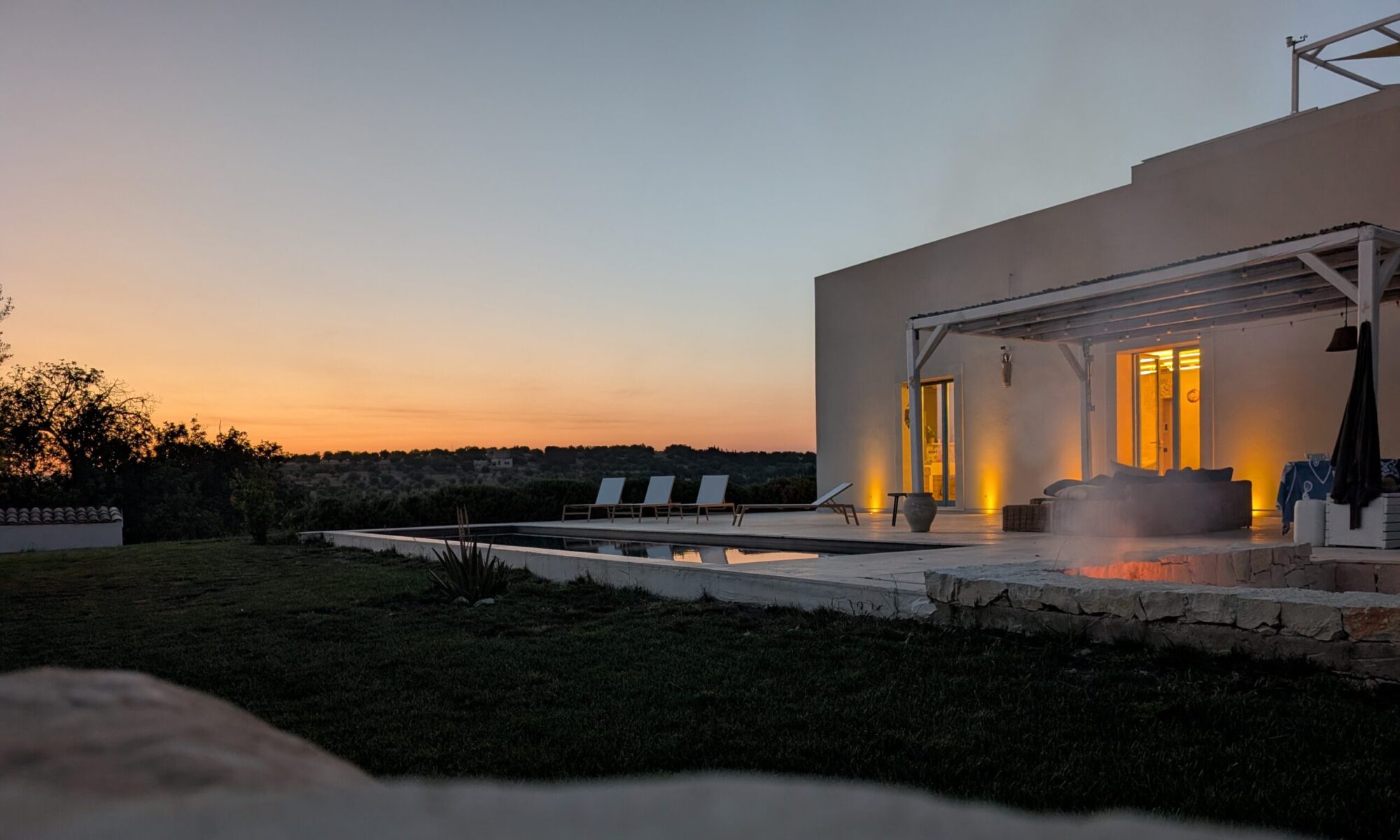

An Oasis of Biodiversity Between Sea and the Hyblaean Mountains
The Val di Noto cradles unique natural treasures: coastal reserves where pink flamingos nest, deep canyons carved by millennia of water, karst plateaus adorned with rare orchids, and underground rivers re-emerging into crystal-clear lakes. A paradise for naturalists, photographers, hikers, and anyone seeking authentic connection with an unspoiled Mediterranean landscape.
- Cava d’Ispica — 10 minutes from the villa
- Irminio River Reserve — 25 minutes
- Vendicari Reserve — 30 minutes
- Vendicari Wildlife Oasis — 35 minutes
- Ciane River and Syracuse Salt Pans — 40 minutes
- Cavagrande del Cassibile — 45 minutes
- Pantalica — 50 minutes
- Hyblaean Mountains — 30-60 minutes
VENDICARI RESERVE – A Birdwatcher’s Paradise
30 minutes from the villa
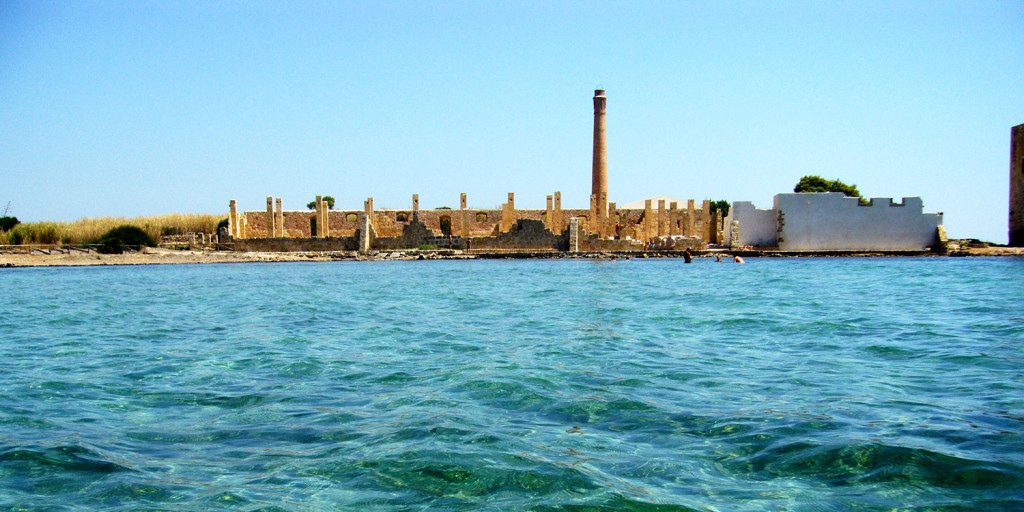
1500 hectares of protected coastline featuring brackish marshes, dunes, garrigue, and cliffs: one of the Mediterranean’s biodiversity hotspots, a crucial stop on migratory routes between Africa and Europe.
250 bird species have been recorded: from October to March, hundreds of flamingos paint the marshes, alongside herons, egrets, spoonbills, and the extremely rare purple swamphen with its electric blue plumage. In summer, the beaches host nesting loggerhead sea turtles, protected by volunteers. Among the dunes, sea lilies and 30 species of wild orchids bloom.
The Trails:
- Blue (2 km): from the main entrance to Calamosche, easy
- Orange (5 km): up to the tuna fishery, moderate
- Green (8 km): full loop with the Swabian Tower, challenging
Not to be missed: the ancient tuna fishery of Byzantine origin, the 15th-century Swabian Tower, and the Hellenistic necropolises.
When and How: October-May for birdwatching, June for orchids, July-August for sea turtles (guided night visits). Binoculars are essential, closed-toe shoes, plenty of water.
CAVAGRANDE DEL CASSIBILE – The Canyon of Lakes
45 minutes from the villa
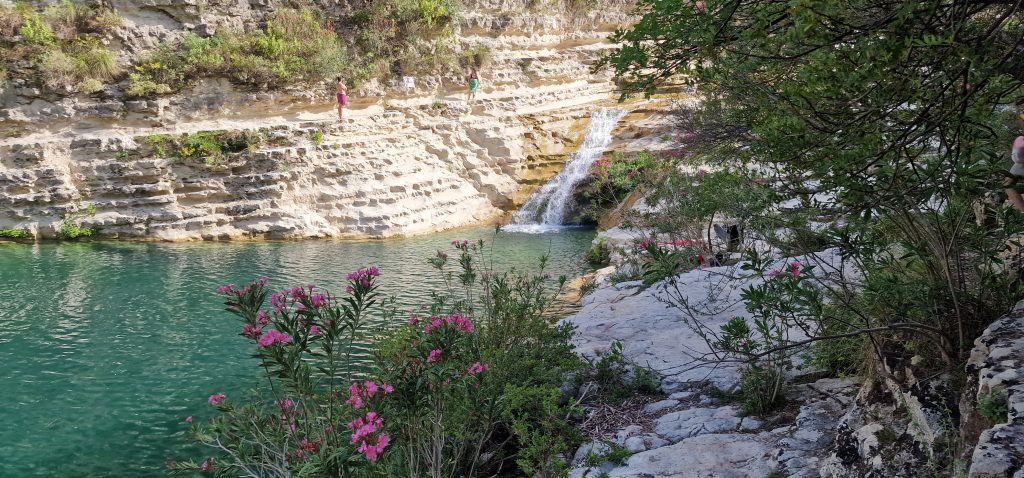
Sicily’s Grand Canyon: 10 km of gorges up to 250 meters deep, carved over millennia by the Cassibile river, featuring natural pools of crystal-clear water, cool even in August (around 15°C).
The descent to the lakes (Scala Cruci) involves 700 steps carved into the rock: challenging but spectacular (45 minutes down, 1 hour up). L’Uruvu is the largest and deepest lake, the Marmitta dei Briganti the most intimate, and Lago di Venere is surrounded by flat rocks perfect for sunbathing. Always check opening hours and access rules: after heavy rains, the reserve may be closed. On the canyon walls, amidst oriental plane trees and oleanders, peregrine falcons nest, and it’s not uncommon to spot Bonelli’s eagle.
Other trails:
- Prisa-Carrubella: less touristy, reaches secluded lakes
- Contrada Stallaini: high panoramic route without descent
- Avola Antica: at the Cassibile springs, ruins of the medieval city
Important: challenging trail, no flip-flops! Shoes with good grip, water, start early in the morning. Not suitable for strollers or small children. Best period: April-June and September-October (July-August is very crowded).
PANTALICA – The Necropolis in Nature
50 minutes from the villa
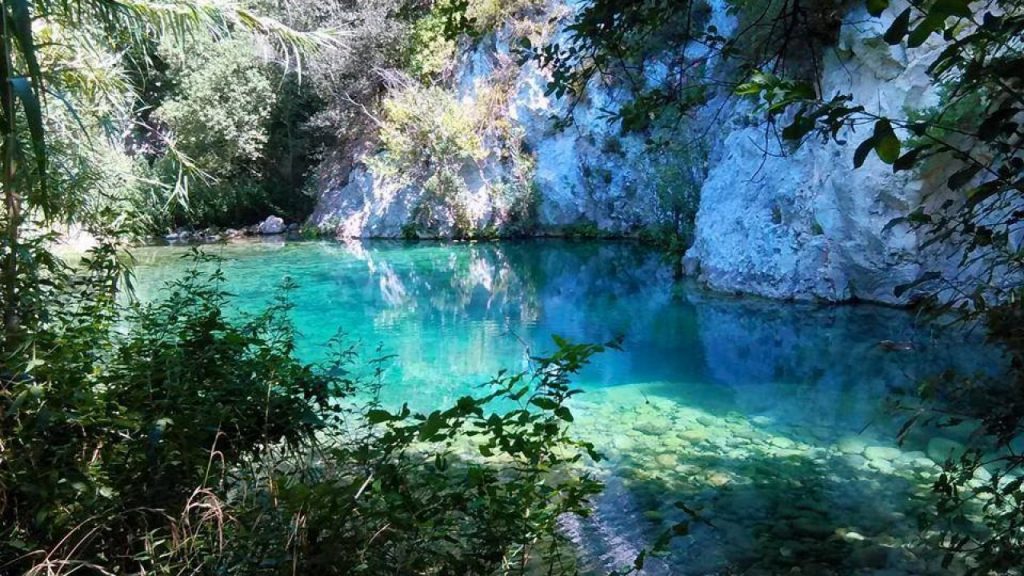
A UNESCO World Heritage site: 5000 rock-cut tombs (13th-7th century BC) dot the canyon walls of the Anapo and Calcinara rivers. The Northern Necropolis (600 tombs) is the most accessible; on the plateau, the Anaktoron, the Prince’s Palace, dominates the gorges with 360° views.
The Trails:
- Northern Necropolis Trail (2 hours): easy, suitable for all
- Scala di Filiporto (4 hours): moderate, crosses the canyon
- Calcinara Gorges (6 hours): difficult, for experienced hikers
- Dismantled Railway (2 hours): flat along the river
The Anapo river flows through crystal-clear pools and small waterfalls — for swimming, inquire about current reserve regulations — and the former railway, now a cycling path, runs alongside it for 13 km through a green tunnel. In the holm oak forests: 40 species of orchids, porcupines, wildcats, and raptors like Bonelli’s eagle. When: spring for blooms, autumn for colors; in summer, the canyons remain cool.
CIANE RIVER AND SYRACUSE SALT PANS
40 minutes from the villa
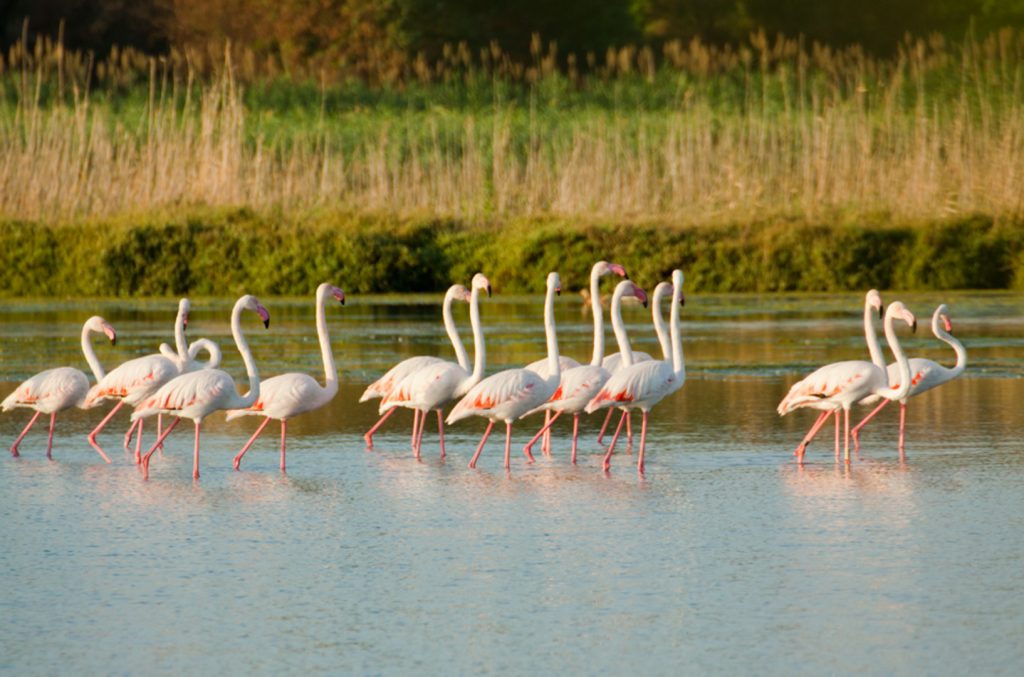
An oasis at the gates of Syracuse where nature and myth intertwine: here, according to legend, Pluto abducted Proserpina, and the nymph Ciane was transformed into a river by her grief. Its azure waters (Ciane = Cyanos, Greek for blue) spring from karst sources and host Europe’s only spontaneous papyrus stand, with plants reaching up to 4 meters tall. The former Salt Pans, now a protected area, welcome up to 400 pink flamingos from September to March, along with spoonbills, avocets, and black-winged stilts.
Trails:
- River Trail (4 km round trip): follows the Ciane, easy
- Boat Tour: from Fonte Ciane to the mouth (2 hours)
- Rossana Maiorca Cycle Path: 8 km to the sea
- Salt Pans Trail: observation hides, circular route
CAVA D’ISPICA – The Inhabited Canyon
10 minutes from the villa
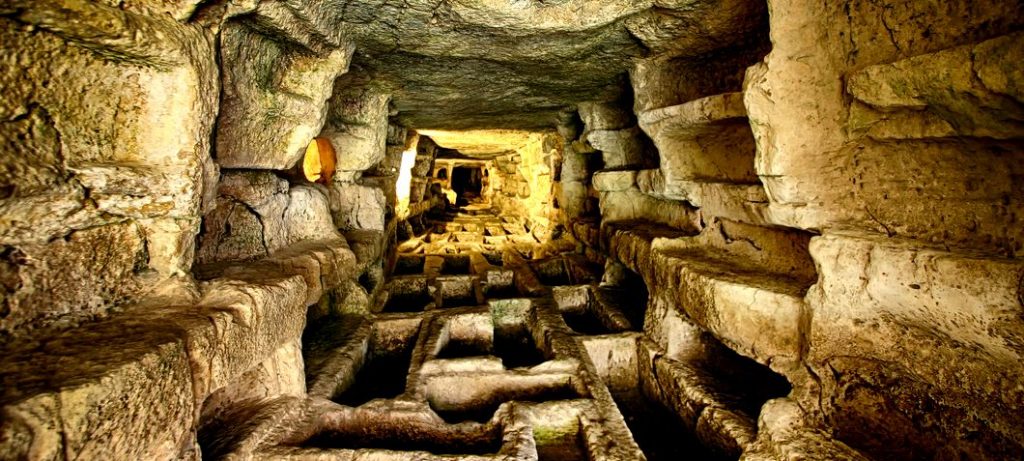
13 km of canyon narrating 5000 years of human history: inhabited from the Neolithic to 1950, featuring cave dwellings, churches, and necropolises carved into the limestone. Must-sees include the Sicanian Castle, the Grotta della Signora with Byzantine frescoes, the Cento Bocche (Hundred Mouths), and the Camposanto (Cemetery). At the bottom, the Pernamazzone stream flows amidst pools, waterfalls, and a historic water mill.
The Trails:
- Northern Route: 2 km, easy, main monuments
- Central Route: 4 km, moderate, crosses the canyon
- Full Route: 13 km, difficult, a full day
Among ancient carob trees, wild olive trees, and capers, porcupines, foxes, and barn owls thrive; in spring, 25 species of orchids bloom.
IRMINIO RIVER RESERVE – From Source to Sea
25 minutes from the villa
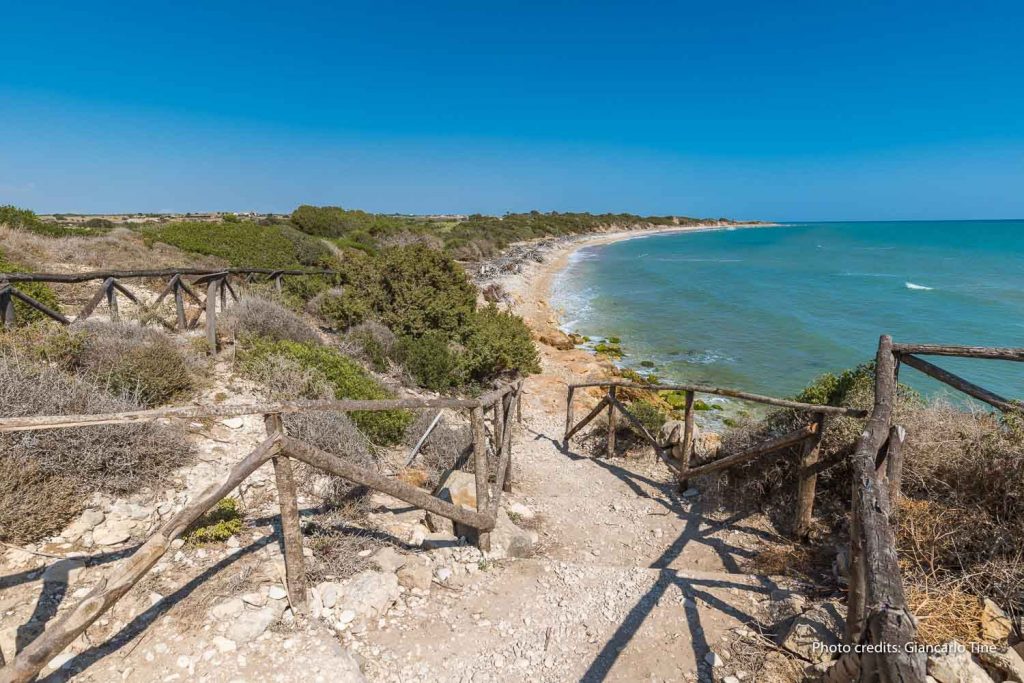
Sicily’s last Mediterranean river with an intact natural mouth: 12 protected kilometers, from its sources to the dunes at its mouth, where Kentish plovers and little ringed plovers nest, and thousands of migratory birds stop. The trail follows the river amidst plane trees, willows, and giant oleanders, with wooden bridges, old mills, and shaded picnic areas. The beach at the mouth is wild and untouched.
HYBLAEAN MOUNTAINS – The Plateau of Silence
30-60 minutes from the villa depending on the area
A karst plateau reaching 987 meters at Mount Lauro: canyons (the “cave”), caves with underground lakes, relict forests, and thousands of kilometers of UNESCO World Heritage dry-stone walls. The forests shelter ancient holm oaks, Europe’s southernmost cork oak groves, and monumental chestnut trees; among the 1500 flora species are 60 orchids and the extremely rare Sicilian zelkova, with only 200 specimens worldwide.
Trails:
- Sentiero Italia: crosses the Hyblaean Mountains for 50 km
- Via del Sale: ancient coast-to-coast mule track
- Sentieri delle Cave: network of trails in the canyons
VENDICARI WILDLIFE OASIS – The Younger Sibling
35 minutes from the villa
Less known than its namesake reserve: 300 hectares of Mediterranean scrub actively managed for wildlife, with projects for the reintroduction of Hermann’s tortoise and protection of the purple swamphen. Camouflaged photographic hides available by reservation, also offering nature photography workshops.
TIPS FOR NATURALISTS
Equipment: binoculars (8×42), trekking shoes, hat and sun protection, plenty of water, camera with telephoto lens.
Best periods:
- Migrations: March-May, September-November
- Orchids: April-May
- Nesting: May-July
- Wintering: December-February
Guided tours: the reserves offer guided excursions (bird ringing at Vendicari, night visits, photography workshops, botanical excursions): it’s best to book in advance. The main reserves have visitor centers with maps and exhibitions, with varying opening hours: check before your visit.
Rules: stay on marked trails, do not disturb flora and fauna, take your rubbish with you, dogs on a leash only where permitted. Useful apps: iNaturalist, eBird, PlantNet, Wikiloc.
The nature of Val di Noto reveals itself to those who observe with patience: each season offers different spectacles, and from the villa, it takes just a few minutes to immerse yourself.